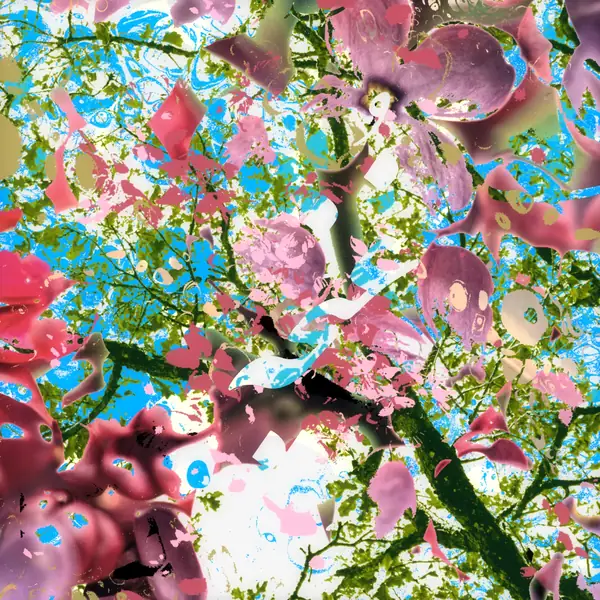
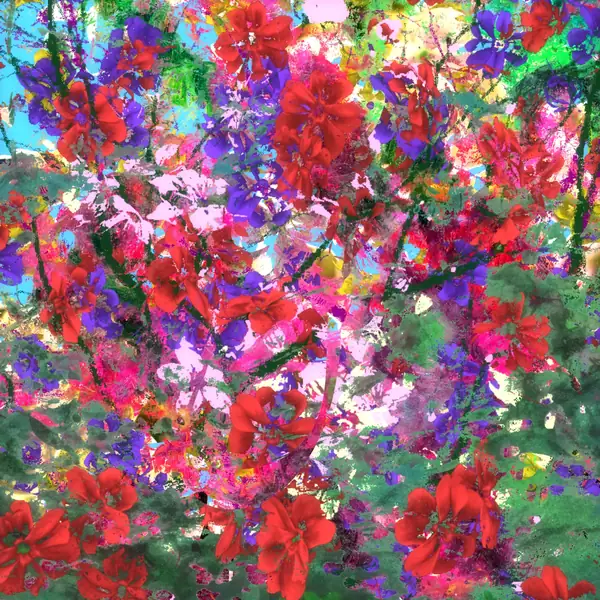
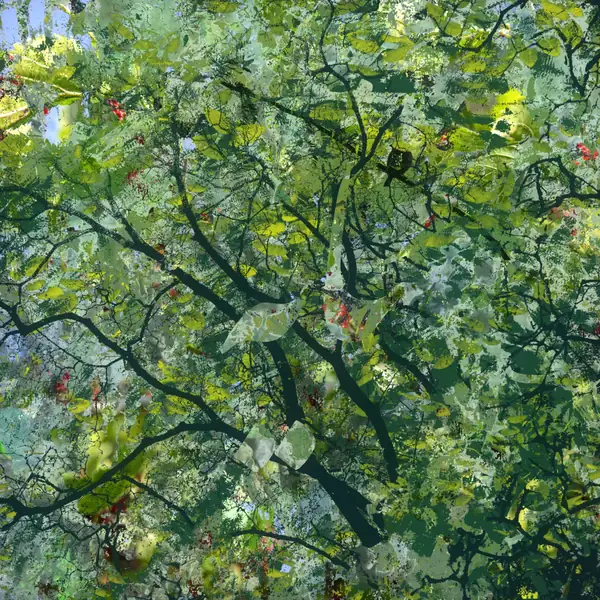
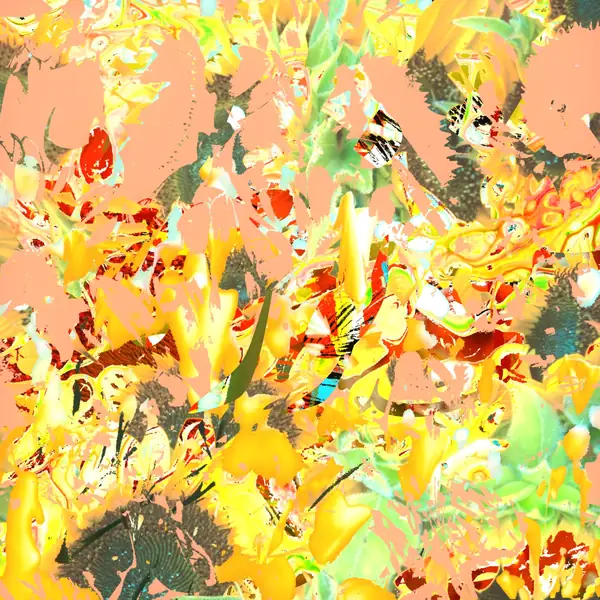
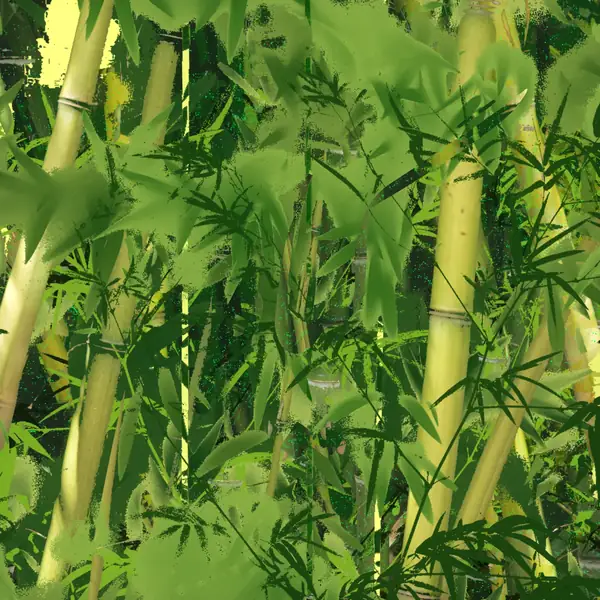
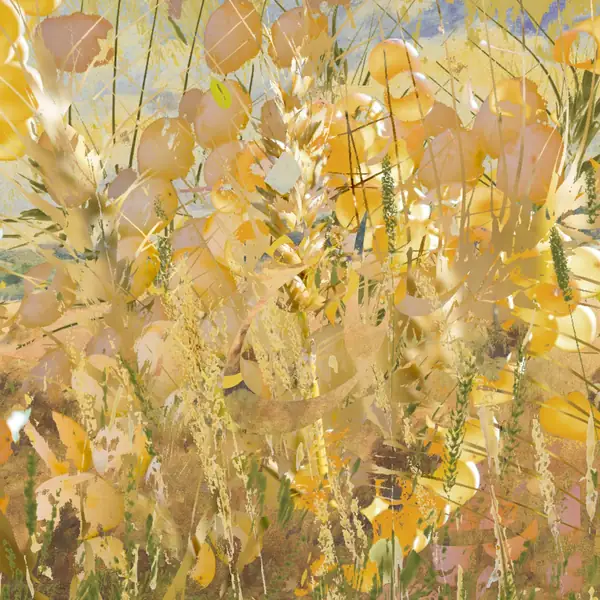
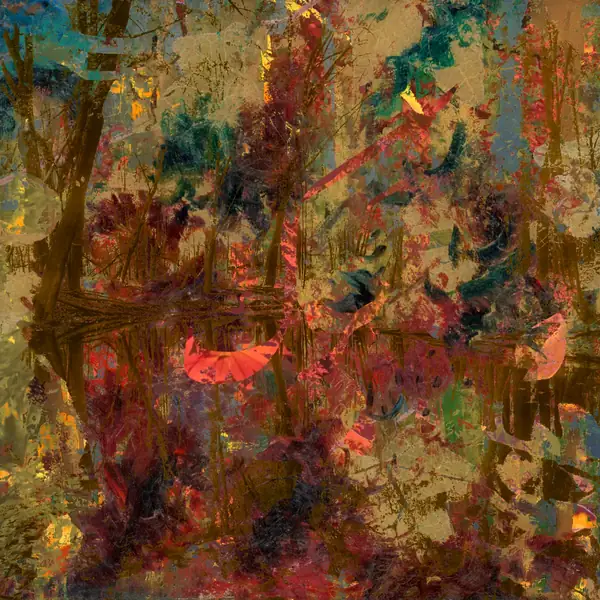
Nothing here is a picture of the artwork. The page builds
the artwork, every time you open it.
the tool
I made these with a tool I built for them, in Istanbul, in July 2026.
It is one web page of plain JavaScript. No framework, no model behind
it, no dataset. It does what I did by hand in Photoshop for about ten
years: keep part of a photograph by its tone, throw the rest away, stack
what is left, and let a word take a piece out of the stack. The
difference is that a habit with a number on it can be repeated, and a
habit in your hand cannot.
how it was built
The tool was written by a machine from my description of how I work.
I described the practice, it wrote the rules down, and half of them
turned out to be wrong the moment a real photograph went through. The
first version chewed pictures into static. My note back was:
"everything is noise. dither is not the way. it should look like a
photocollage, how you'd cut paper." That happened a few more times. It
is a good tool because of the arguments.
live
The pictures on the wall and on each page are not videos and not
screenshots. The page carries the same layers the tool works with,
before anything is taken out of them, and does the taking out itself,
frame by frame, in your browser, with the tool's own code. I checked
this rather than assumed it. The page's frames were compared with the
tool's frames at five moments in time, on every piece, and the
difference is exactly zero.
the wind
Each piece is tied to a place: Istanbul, Tehran, a small town in
Zanjan. The tool has one speed control, from almost still to fast. The
page asks a weather service for the wind at that place and sets that
same control with it, straight across its range. No wind is the slow
end, a strong wind is the fast end, and the site can never run a speed
the tool could not have set. A new reading changes the pace, never the
position, because each piece keeps its own clock. If the reading does
not arrive, nothing waits. The piece keeps the speed it was made at.
on paper
The pieces are made to be printed, about 24 centimetres wide, with a
code on the back. The code opens the camera. Point the phone at the
print and the layers lift off the paper and move above it, with the
same weather. The print itself is what the phone recognises, so nothing
is stuck on the artwork. One tap lets the piece off the wind.
the file
Every piece is one file: the photographs, the settings, the letter
shapes, everything needed to open it again a year from now. This site
is built from those files and nothing else.
اینجا هیچچیز عکسِ اثر نیست. صفحه خودِ اثر را میسازد،
هر بار که بازش میکنی.
ابزار
اینها را با ابزاری ساختهام که خودم برایشان ساختم، در استانبول،
تابستان ۱۴۰۵. یک صفحهٔ وب است با جاوااسکریپتِ ساده. نه چارچوبی، نه
مدلی پشتش، نه دادهای. همان کاری را میکند که ده سال با دست در فتوشاپ
میکردم: بخشی از عکس را بر اساس تُنش نگه میدارد، بقیه را دور میریزد،
باقیماندهها را روی هم میچیند، و میگذارد یک کلمه تکهای از این چیده
را بردارد. فرقش این است که عادتی که عدد دارد تکرارشدنی است، و عادتی که
در دست توست نه.
چطور ساخته شد
ابزار را یک ماشین از روی توصیف من از کارم نوشت. من روش کار را گفتم،
او قاعدهها را نوشت، و نصفشان همان لحظهای که عکسی واقعی از آن گذشت غلط
از آب درآمد. نسخهٔ اول عکسها را به برفک تبدیل میکرد. یادداشت من این
بود: «همهاش نویز است. دیتر راهش نیست. باید مثل فوتوکلاژ باشد، مثل وقتی
که کاغذ میبُری.» این چند بار دیگر هم پیش آمد. ابزار خوبی است، به خاطر
همان بحثها.
زنده
تصویرهای روی دیوار و روی هر صفحه نه ویدئو هستند و نه اسکرینشات.
صفحه همان لایههایی را دارد که ابزار با آنها کار میکند، پیش از آنکه
چیزی از آنها برداشته شود، و برداشتن را خودش انجام میدهد، فریم به
فریم، در مرورگر تو، با کدِ خودِ ابزار. این را سنجیدم، نه اینکه فرض
کنم. فریمهای صفحه با فریمهای ابزار در پنج لحظه مقایسه شد، روی همهٔ
آثار، و تفاوت دقیقاً صفر است.
باد
هر اثر به جایی گره خورده است: استانبول، تهران، شهرکی در زنجان. ابزار
یک کنترل سرعت دارد، از تقریباً ایستاده تا تند. صفحه از یک سرویس
هواشناسی بادِ آنجا را میپرسد و همان کنترل را با آن تنظیم میکند، درست
در همان بازه. بیبادی سرِ کندش است، باد تند سرِ تندش، و سایت هیچوقت
نمیتواند با سرعتی برود که ابزار نمیتوانست بگذارد. خوانش تازه آهنگ را
عوض میکند، نه جا را، چون هر اثر ساعت خودش را دارد. اگر خوانش نرسد،
چیزی منتظر نمیماند. اثر با همان سرعتی که ساخته شده میرود.
روی کاغذ
این آثار برای چاپ ساخته شدهاند، حدود ۲۴ سانتیمتر عرض، با یک کد
پشتشان. کد دوربین را باز میکند. گوشی را رو به چاپ بگیر تا لایهها از
کاغذ بلند شوند و بالای آن حرکت کنند، با همان هوا. خودِ چاپ همان چیزی
است که گوشی میشناسد، پس چیزی روی اثر چسبانده نشده. یک ضربه اثر را از
باد جدا میکند.
پرونده
هر اثر یک پرونده است: عکسها، تنظیمها، شکل حرفها، هرچه برای باز
کردن دوبارهاش یک سال بعد لازم است. این سایت از همان پروندهها ساخته
شده و از هیچچیز دیگر.
Burada hiçbir şey eserin resmi değil. Sayfa eseri her
açışınızda yeniden kurar.
araç
Bunları, onlar için kendi yaptığım bir araçla yaptım; İstanbul'da,
Temmuz 2026'da. Düz JavaScript'le yazılmış tek bir web sayfası. Ne bir
çerçeve, ne arkasında bir model, ne bir veri kümesi. On yıl kadar
Photoshop'ta elle yaptığımı yapıyor: bir fotoğrafın bir kısmını tonuna
göre tutmak, gerisini atmak, kalanı üst üste koymak ve bir kelimenin
yığından bir parça almasına izin vermek. Fark şu: üzerinde bir sayı
olan alışkanlık tekrarlanabilir, elinizdeki alışkanlık tekrarlanamaz.
nasıl yapıldı
Aracı, çalışma biçimimi anlatmamdan yola çıkarak bir makine yazdı. Ben
pratiği anlattım, o kuralları yazdı ve gerçek bir fotoğraf içinden geçer
geçmez yarısının yanlış olduğu ortaya çıktı. İlk sürüm resimleri
parazite çeviriyordu. Notum şuydu: "her şey gürültü. dither yolu değil.
fotokolaj gibi görünmeli, kâğıt keser gibi." Bu birkaç kez daha oldu.
İyi bir araç; tartışmalar sayesinde.
canlı
Duvardaki ve her sayfadaki resimler ne video ne de ekran görüntüsü.
Sayfa, aracın çalıştığı katmanların aynısını taşıyor, içlerinden bir şey
alınmadan önceki hâlleriyle, ve alma işini kendisi yapıyor; kare kare,
tarayıcınızda, aracın kendi koduyla. Bunu varsaymadım, ölçtüm. Sayfanın
kareleri aracın kareleriyle beş ayrı anda, her eser için karşılaştırıldı
ve fark tam olarak sıfır.
rüzgâr
Her eser bir yere bağlı: İstanbul, Tahran, Zencan'da küçük bir kasaba.
Aracın tek bir hız kontrolü var, neredeyse durgundan hızlıya. Sayfa bir
hava servisine o yerdeki rüzgârı soruyor ve aynı kontrolü onunla,
aralığı boyunca doğrudan ayarlıyor. Rüzgârsızlık yavaş uç, sert rüzgâr
hızlı uç; site, aracın ayarlayamayacağı bir hızda asla çalışamaz. Yeni
bir okuma temposu değiştirir, konumu değil, çünkü her eser kendi saatini
tutar. Okuma gelmezse hiçbir şey beklemez. Eser yapıldığı hızda kalır.
kâğıt üzerinde
Eserler basılmak için yapıldı; yaklaşık 24 santimetre genişliğinde,
arkasında bir kodla. Kod kamerayı açar. Telefonu baskıya tutun,
katmanlar kâğıttan kalkar ve üstünde, aynı havayla kımıldar. Telefonun
tanıdığı şey baskının kendisi; eserin üzerine hiçbir şey yapıştırılmadı.
Bir dokunuş eseri rüzgârdan çözer.
dosya
Her eser tek bir dosya: fotoğraflar, ayarlar, harf biçimleri, bir yıl
sonra yeniden açmak için gereken her şey. Bu site o dosyalardan yapıldı,
başka hiçbir şeyden.